Farsoon plans a 1,600-machine metal-AM parts plant with a 2033 ramp
The RMB 2.356bn plan targets 48 million parts a year; financing, construction and full capacity remain future commitments.
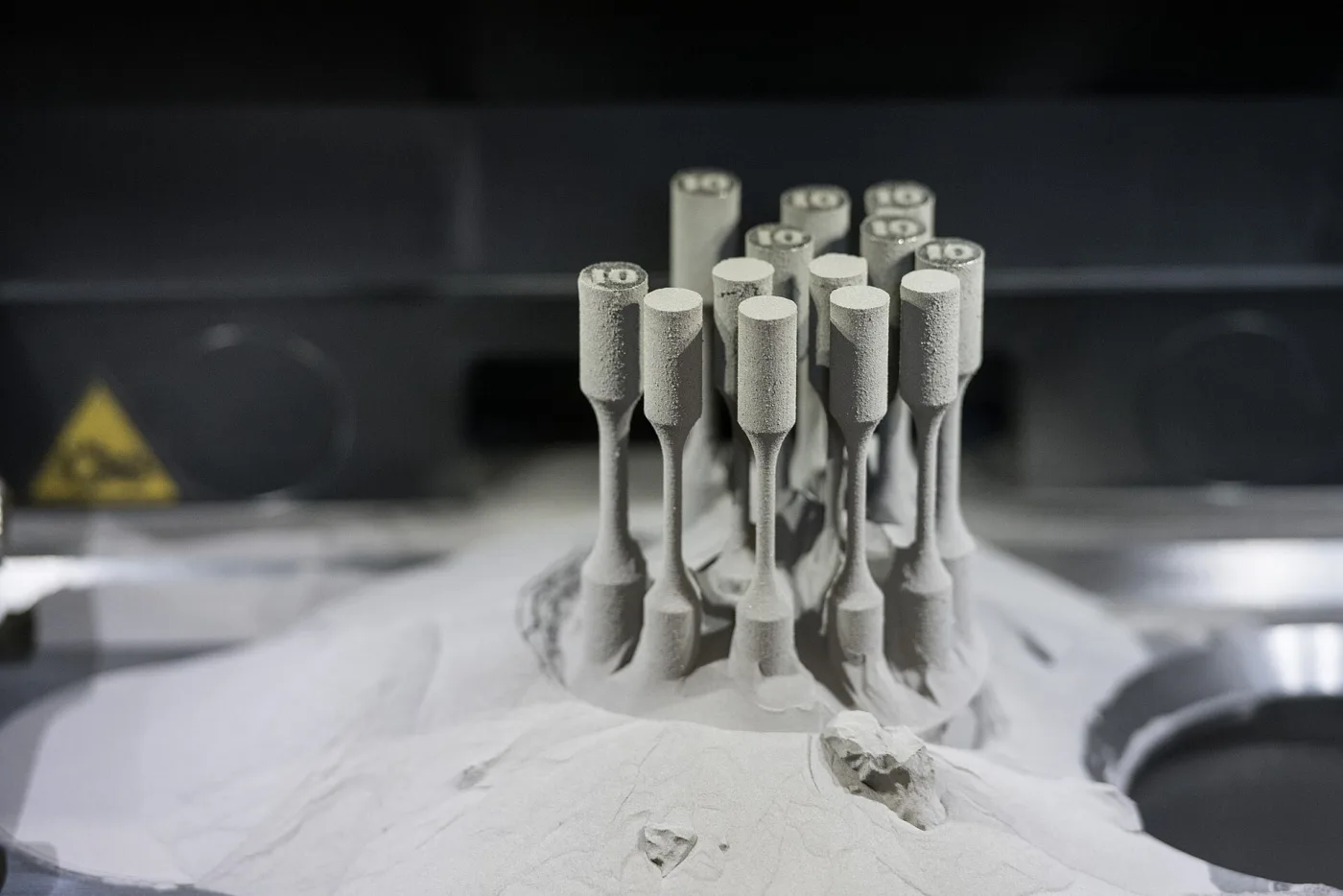
Farsoon Technologies plans a RMB 2.356 billion, approximately $353 million metal-parts facility containing 1,600 of its own PBF-LB machines, according to a report based on regulatory filings. The stated full-capacity target is 48 million parts per year for consumer electronics, electric vehicles, optical communications and robotics.
A multi-year plan, not a completed factory
Production is planned to start in 2029, with all machines installed by 2031 and full ramp in 2033. Three phases create technical and financing gates. Forty-eight million parts is neither current capacity nor guaranteed sales volume.
The revised offering would raise up to RMB 1.754 billion, allocating RMB 1.513 billion to the parts plant and RMB 241.4 million to international expansion. This is smaller than the earlier RMB 3.91 billion plan. A RMB 1.075 billion machine-manufacturing expansion was removed from the offering and would proceed through other financing.
What 1,600 machines mean as a system
Machine count alone does not define effective capacity. Product mix, packing, layer thickness, scrap, maintenance, powder logistics, heat treatment, separation, machining and inspection govern output. Forty-eight million parts per year averages more than 131,000 per day, which implies numerous small, densely nested products and high uptime.
Farsoon says it has entered major consumer-electronics supply chains and supplies titanium smartphone structural parts. This remains a company claim; no customer, unit volume, qualified configuration or first-pass yield was disclosed.
International expansion
The wider programme would add application development, validation, sales and support in Germany, the Czech Republic and Vietnam, with planned investment of RMB 478.4 million; Singapore would be funded separately. The RMB 241.4 million offering allocation is therefore not the whole international programme cost.
Evidence boundary
LAYERTIMES used Metal AM's detailed accepted trade report, which cites 6 November regulatory filings. The underlying Chinese document was not directly accessible during this run, so amounts, schedule and capacity are bounded by that report. Financing, permits, construction and customer demand can change.
Editorial conclusion
If delivered, the plant moves Farsoon from machine sales toward vertically integrated parts production. The decisive question is not 1,600, but whether powder, parameters, calibration and quality can remain equivalent across such a fleet. Full 2033 capacity must be treated as a plan, not a fact.
Sources
The lead and only detailed source in this run is Metal AM's 12 November 2026 report, supplemented by Farsoon's official corporate site.