HP and Hyperion launch commercial tungsten-carbide binder jet chain
Barcelona combines a Metal Jet S100, CarbiForm powder and Hyperion sintering from application development through serial production.
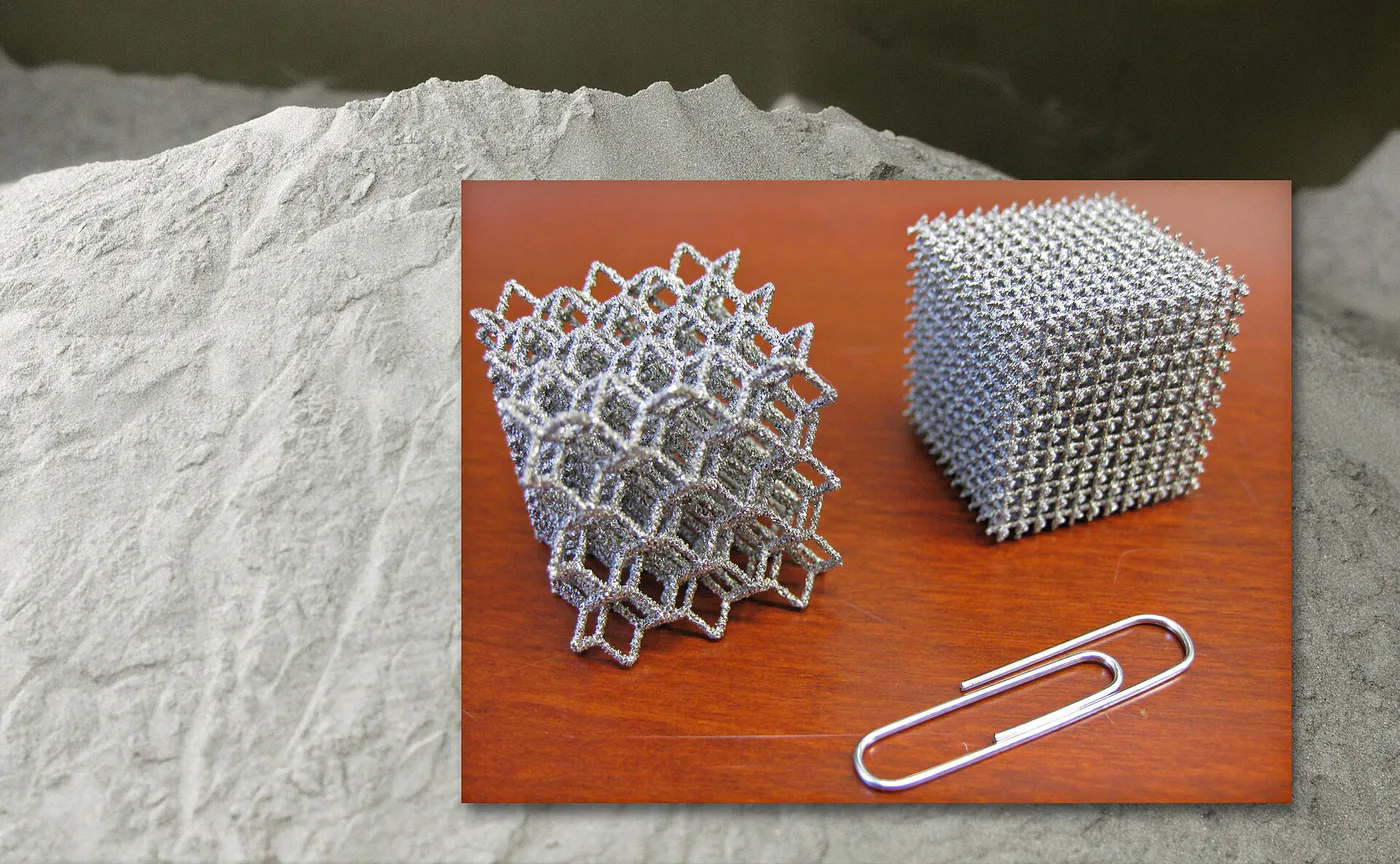
HP Additive Manufacturing and Hyperion Materials & Technologies announced a strategic preferred-partner agreement on 28 October 2026 to expand commercial tungsten-carbide additive manufacturing. An HP Metal Jet S100 installed at Hyperion's Barcelona facility in October combines with the new CarbiForm powders developed for binder jetting and Hyperion's sintering and finishing operations.
What is actually new?
This is presented as more than a material-compatibility experiment. The partners say commercial capability is available in Barcelona from application development and qualification through serial production. HP provides the printing platform; Hyperion provides hard-material powder, sintering and finishing expertise. The agreement also covers jointly identifying and qualifying customer applications.
Why tungsten carbide is different
Tungsten carbide is used in cutting, forming and wear components for its hardness, wear resistance and compressive strength. In practice, ceramic-like WC grains are normally held by a metallic binder phase. Performance therefore depends on the powder composition, green body, debinding, sintering, shrinkage and finishing chain rather than the printer alone.
What the Metal Jet route contributes
Binder jetting selectively deposits binder on powder layers without local melting during printing. It can support complex internal geometry, part consolidation and parallel production. The printed green body is still porous and fragile; final density, dimensions and microstructure emerge during thermal processing.
CarbiForm and compatibility
Hyperion describes CarbiForm as ready-to-print tungsten-carbide feedstock tested with Metal Jet and its sintering operations. The release gives no public particle-size distribution, binder-phase composition, green or final density, shrinkage, hardness, fracture toughness, wear result or tolerance window. Compatible does not mean qualified for every part and load case.
What the announcement proves—and does not
The agreement, Barcelona installation, CarbiForm name and commercial service path are established. Shorter development cycles, better material utilisation and reliable production are partner claims. No public independent benchmark, reference part, price, capacity, yield or customer qualification is disclosed.
What an industrial buyer should request
Procurement should begin with load and wear requirements, then lock feedstock lot, green-part handling, sintering recipe, dimensional compensation, machining and inspection. Representative coupons and parts need density, microstructure, hardness, fracture, wear and dimensional tests. Conventionally pressed-and-sintered carbide should be the application-specific baseline.
Editorial conclusion
The meaningful development is an integrated commercial route combining a printer, purpose-developed powder and sintering competence. Industrial significance will be decided not by geometric freedom alone, but by repeatable density, wear, fracture and dimensional performance against conventional hardmetal at an acceptable total cost.
Sources and transparency
The primary source is the joint corporate release issued by Hyperion. It establishes the partners, installation and workflow, while performance and economic claims remain interested-party statements. No independent qualification report is public.