Rosebank and two universities target certifiable L-DED aircraft repair
The two-year Australian programme combines in-process microstructure control with a complete material-property evidence package.
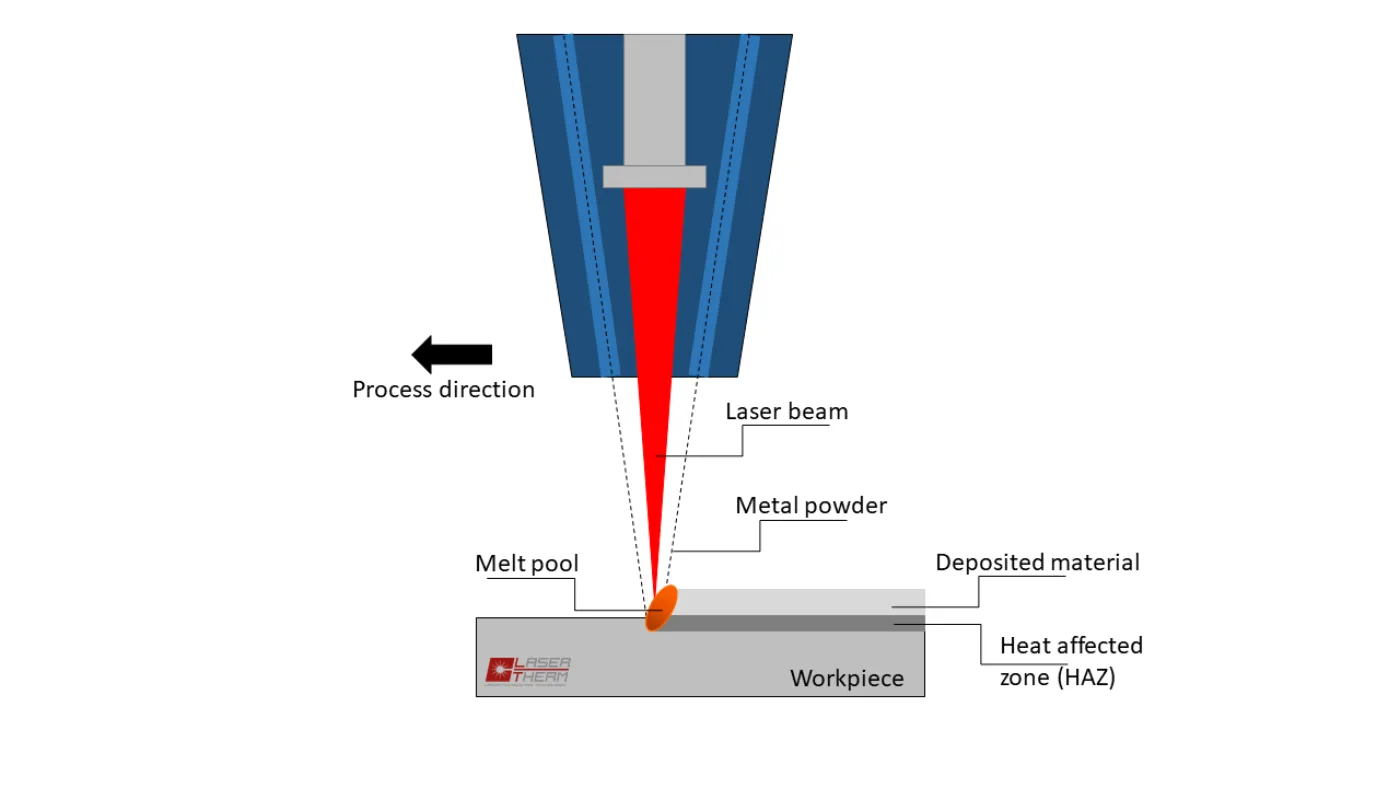
Australia's Additive Manufacturing Cooperative Research Centre announced a two-year programme for certifiable laser directed-energy-deposition aircraft repair on 26 October 2026. Rosebank Engineering leads process development, while RMIT and Swinburne will produce material and qualification evidence.
What repair is being targeted?
The programme covers precipitation-hardening alloys used in defence aviation, including Inconel, titanium and 15-5PH stainless steel. It aims to demonstrate an advanced military-aircraft component aligned with OEM requirements and NASA-STD-6030. Repair pathways for F/A-18 engine components will also be explored.
Laser rescanning instead of full heat treatment
The central idea is local rescanning of deposited material. By controlling heat input, the team intends to influence phase transformation and microstructure during repair so required properties can be reached without a full post-process heat treatment. That is a research objective; no validated parameter window or certified component is yet reported.
What will be measured?
RMIT and Swinburne will test tensile strength, fatigue life, residual stress, corrosion and wear. Results must be tied to substrate, repair geometry, thermal history and location because an average coupon does not automatically prove the most critical zone in a repaired component.
The role of AMCLAD
Rosebank's Adaptive Monitoring and Control of Laser Additive Deposition system supports observation and control. The project must establish which signals correlate with fusion, dilution, geometry and properties, and how sensor drift, alarms and segregation of failed repairs are handled.
Why repair qualification is difficult
An existing component has a variable service history, while surface preparation, heat sinking and the deposit-to-substrate interface add risks absent from a new coupon. Approval requires repair limits, permitted repeat count, NDT, machining allowance, traceability and part-specific release.
Fact, programme objective and open questions
The two-year collaboration, partners, alloy groups and planned test suite are established. Cost, lead-time and availability improvements are programme objectives rather than measured results. Budget, exact component, OEM approval status, sample size and acceptance limits are undisclosed.
Editorial conclusion
The programme's strength is treating certification as part of process development rather than retrospective paperwork. Success will not be a photogenic deposit, but a repeatable evidence chain connecting in-process control, material properties and service life of the repaired component.
Sources and transparency
The primary source is AMCRC's programme announcement with partner statements. It details objectives and methods but is an interested project source; independent results are not yet available because the research is beginning.