Validating a 3D-printed sports mouthguard from fit to replacement
A practical evidence chain for digital data, material, repeated impact, usability, cleaning and traceability.
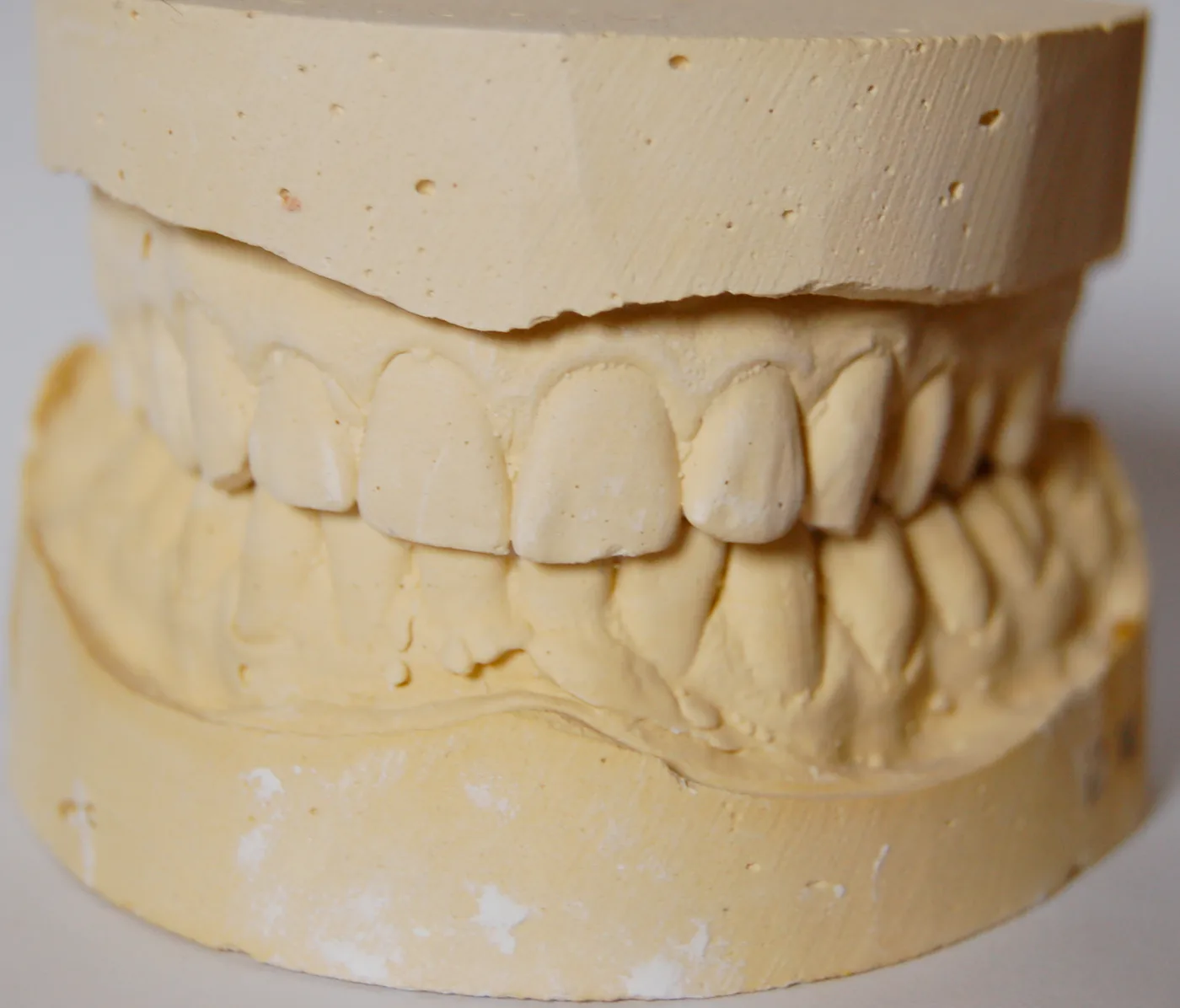
A custom sports mouthguard is better only if it continues to attenuate repeated impacts, remains retained, can be cleaned and is replaced at the right time—not merely because it fits closely. Digital scanning and 3D printing are powerful manufacturing tools, not standalone safety evidence.
1. Intended use defines the requirement
Document the sport, age, dentition, orthodontic appliances, contact frequency and use environment. A growing youth athlete and an adult combat-sport competitor may need different thickness and edge designs. The manufacturing file should follow this clinical decision.
2. Digital data and geometry
Check intraoral scans for missing areas, occlusion and gingival boundaries. CAD records should specify nominal thickness, local minimum wall, coverage, edges and breathing or speech needs. File version, wearer identity, design rule and approver must remain traceable.
3. Material and process validation
Biocompatibility of the feedstock is necessary but insufficient. Validate printer, orientation, layer height, washing, post-curing and storage, plus residuals and final surface. Any material or process change requires renewed dimensional and mechanical assessment.
4. Impact attenuation and repeated loading
One dramatic impact demonstration is not enough. Test samples at multiple energies and locations over repeated cycles while measuring transmitted force, acceleration, indentation and permanent deformation. A properly made thermoformed control helps establish whether the printed route reaches a usable level.
5. Fit, retention and usability
The guard should remain stable without clenching, avoid sharp pressure points and not unreasonably obstruct breathing or speech. A documented delivery check, wearer feedback and early follow-up matter more than CAD deviation alone.
6. Ageing, cleaning and hygiene
Saliva, toothpaste, cleaners, hot water, UV and biting can alter a polymer. Testing after permitted cleaning cycles should cover mass, dimensions, hardness, cracks, odour and surface. Unknown chemicals or hot water should not be recommended by default.
7. Release and replacement
Each device needs a manufacturing ID, material lot, machine and software version, post-process record and visual inspection. Cracks, perforation, permanent deformation, loose fit, dental change or maximum service interval can trigger replacement. Growth and orthodontic treatment require closer review.
8. Evidence levels
A vendor feature description establishes existence; laboratory testing addresses material and design; a supervised pilot addresses workflow and usability; clinical or real-world data address outcomes. These levels must not be conflated.
Practical release gate
Adoption requires documented intended use, an approved material and process window, repeated-impact testing, fit protocol, cleaning instructions, replacement criteria and incident handling. If one is missing, use should remain within a controlled pilot.
Sources and conclusion
ADA, FDI and the Academy for Sports Dentistry emphasise properly fitting mouthguards. FDA-recognised standards and ANSI/ADA 99-2025 frame material testing, including digitally processed materials. Our conclusion is that digital customisation becomes a safety advantage only through a lifecycle evidence chain.