3DXTECH donates 185 kg of filament for open assistive devices
MakeGood will use the material for free devices co-designed with users; kilograms of feedstock do not equal a verified device count.
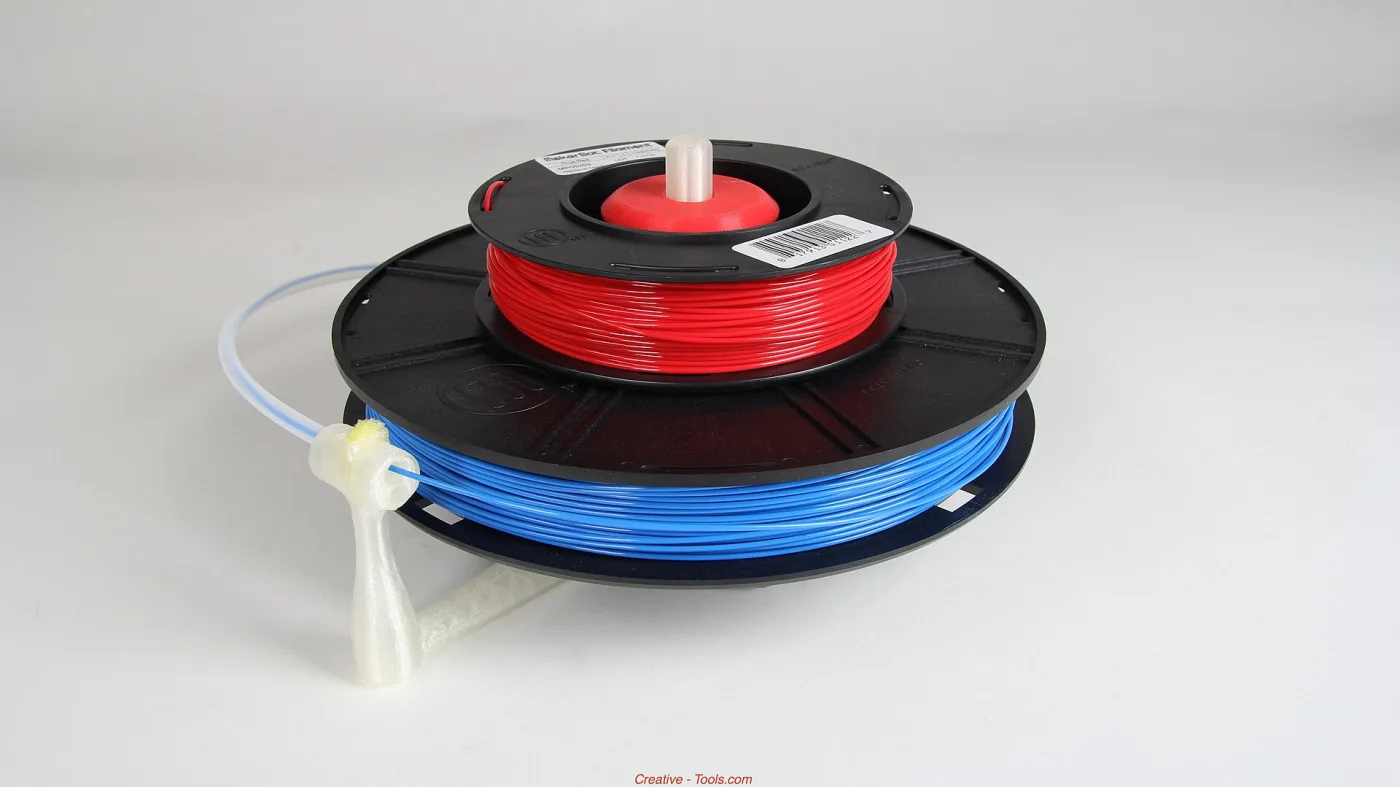
Michigan-based 3DXTECH has donated 185 kilograms of filament to nonprofit MakeGood. MakeGood co-designs custom daily-living aids with disabled people, publishes designs openly and free of charge, and delivers completed devices at no cost. The material will mainly support prototypes and production of established designs.
What the material can support
MakeGood's official catalogue lists 44 active designs, including wheelchair cup holders and adapters, a walker handle, a parametric foot plate, tray tables and the 3D Toddler Mobility Trainer for children aged one to eight. The organisation describes a co-design process with 'Need Knowers' before creating designs printable on consumer machines.
The 185 kg quantity is substantial for prototyping but does not predict a device count. Yield depends on polymer, spool condition, part mass, supports, scrap and whether a build is exploratory or final. The announcement does not identify the exact polymers, colours, lots or certifications.
Open does not automatically mean safe
Free access can improve availability while increasing the local maker's responsibility. A cup holder, load-bearing foot plate and children's mobility device have different risks. User load, fit, fasteners, layer direction, wear, cleanability and actual material condition require checks. Pinch, tip-over and supervision risks are especially important for children.
The model revision, licence and assembly instructions should remain traceable. Resizing or changing polymer does not automatically preserve earlier experience. Before handover, the exact user should complete a functional trial, with a therapist or clinical professional when appropriate.
Verified fact, organisational claim and conclusion
Donation mass and purpose come from VoxelMatters; MakeGood's site confirms its nonprofit model and open catalogue. Global impact and cost claims remain organisational statements. Our conclusion is that the donation's value is rapid, user-centred iteration rather than kilograms alone. Durable social benefit requires documented builds and real-user feedback.
Sources
The lead source is VoxelMatters' 12 November 2026 report, verified against MakeGood's official site and device catalogue.