Align pilots a directly 3D-printed sports mouthguard
Invisalign Sports Guard is made from iTero scans in multiple thicknesses; material, price and impact results are not public.
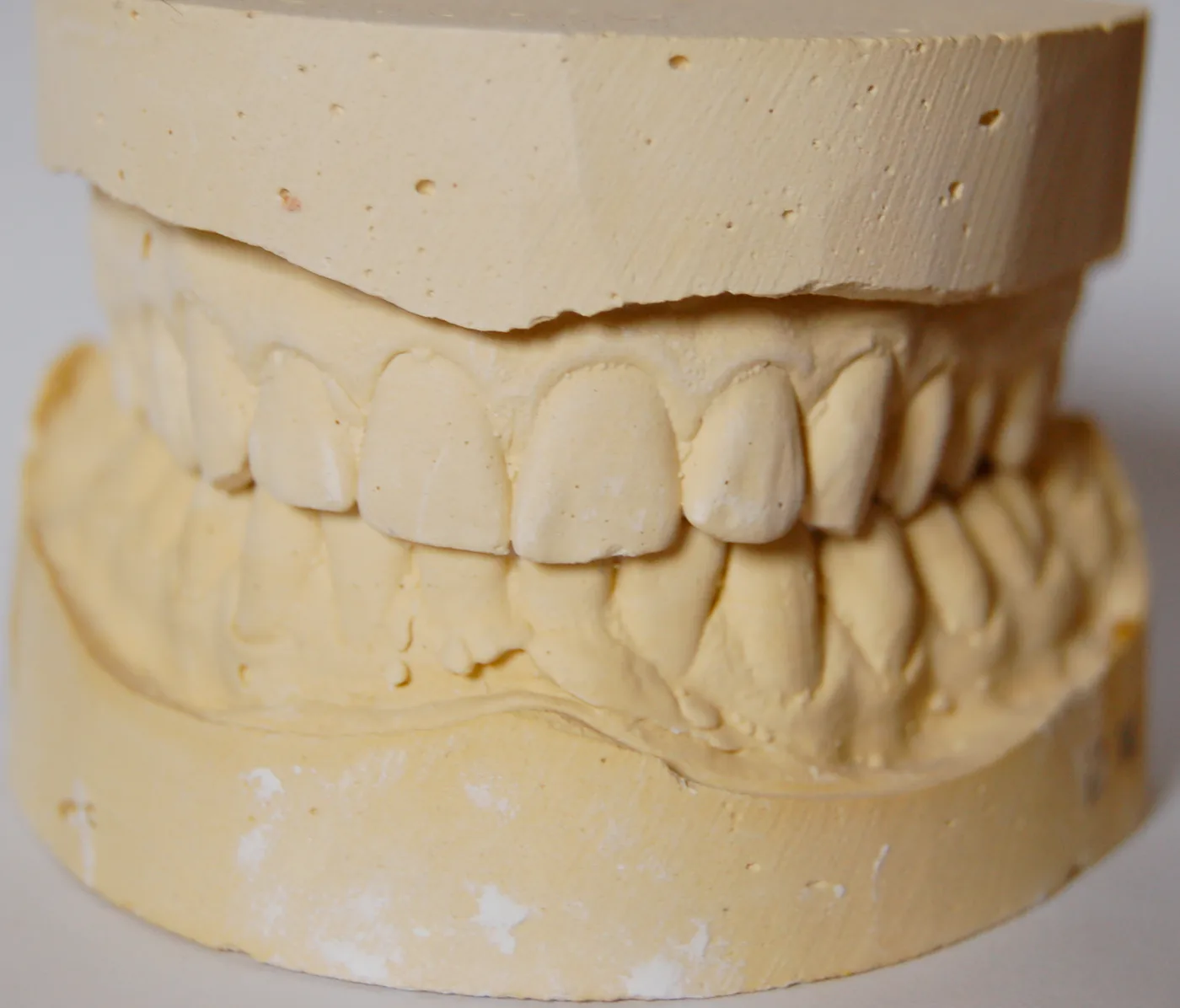
Align Technology announced a limited US pilot of Invisalign Sports Guard in its 28 October 2026 results release. The custom device is directly 3D printed from an iTero intraoral scan, offered in multiple thicknesses and supplied through participating providers.
What is genuinely new?
Direct production means additive manufacturing creates the final guard rather than only a thermoforming model. A digital impression can remove some conventional impression and stone-model steps, while thickness options may support selection by sport and exposure. Align associates the product with its NXT platform.
What Align has not disclosed
The public announcement does not identify the polymer, printing process, production site, pilot size, price, turnaround or replacement interval. It provides no impact-attenuation, tensile, fatigue, wear or clinical comparative data. Personalisation therefore cannot yet be treated as proven protective performance.
Why validation matters
A sports mouthguard experiences repeated impacts, biting, saliva, cleaning and temperature changes. Accurate fit may improve retention and willingness to wear it, but protection depends on energy absorption, thickness, edge design and ageing together. A 2026 in-vitro comparison found limitations in both printed and thermoformed materials; it was not a test of Align's product.
How to assess the pilot
A limited launch can expose failures in scanning, ordering, manufacturing and delivery. Usability should be tracked through remakes, fit corrections, actual wear, damage and replacement reasons. Clinical benefit requires predefined endpoints and an appropriate comparator.
Editorial conclusion
The move matters because Align connects a large digital-dentistry ecosystem to a directly printed final product. It remains a market pilot. Standardised mechanical testing, manufacturing traceability and real-world outcomes are the next decisive evidence.
Sources
The primary source is Align's official quarterly release. ADA guidance, ANSI/ADA Standard 99-2025 and a 2026 research comparison provide protective and material context.