AltForm scales ZENIT DED cells to four robots and 4×4 metres
ZENIT Modular combines powder, wire and WAAM deposition with an inert chamber and SINUMERIK ONE controls.
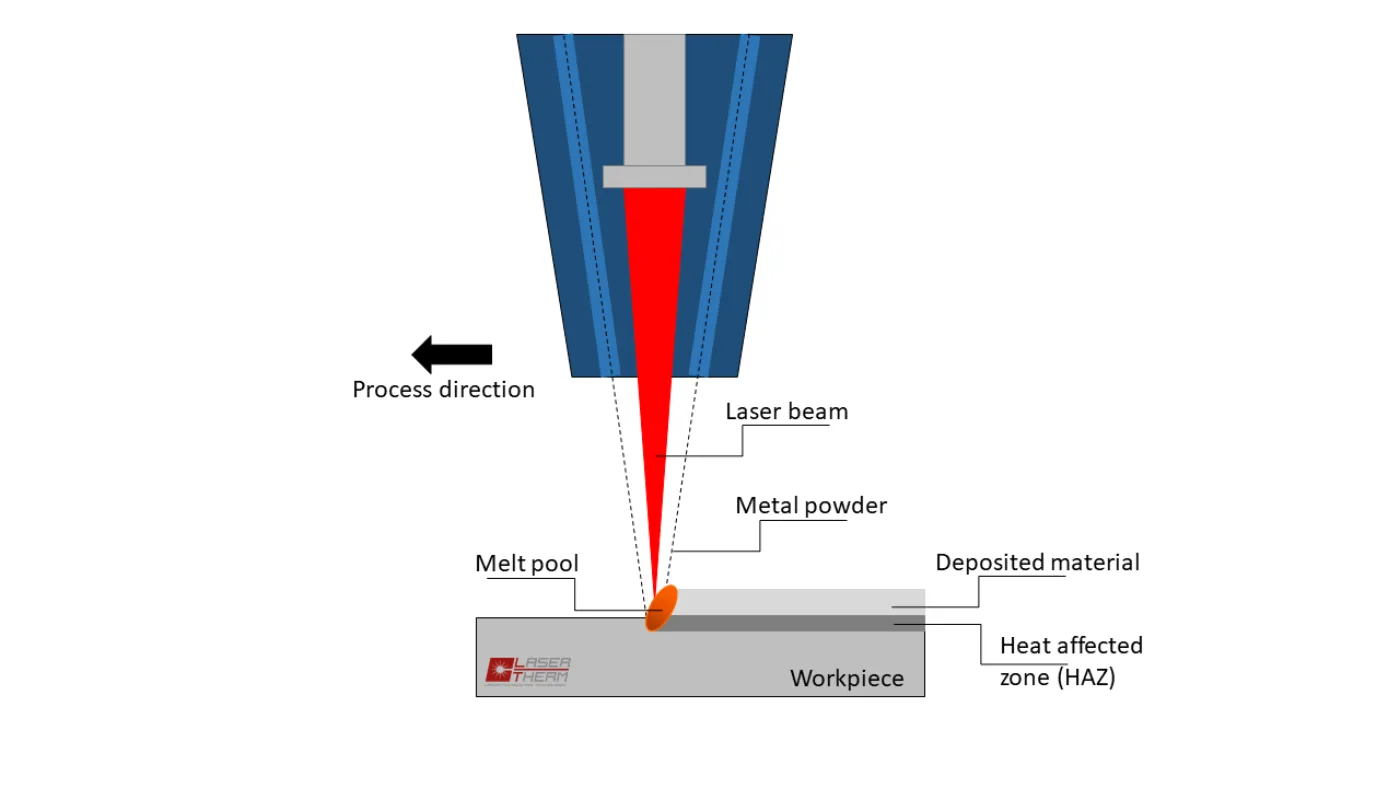
AltForm is presenting three modular DED cells at Formnext: the 2×2 m ZENIT L takes one robot, the 4×2 m XL two, and the 4×4 m XXL up to four. Cells support powder DED, laser wire deposition and WAAM, with an inert chamber intended for reactive titanium and aluminium alloys.
Scaling with multiple robots
Ceiling-mounted robots are standard; floor mounting and a rotary-tilt table are optional. XXL robots can work on separate parts in parallel or on one large component. The latter requires collision-free paths, coordinated heat input and shared-coordinate calibration.
Siemens SINUMERIK ONE links robots, deposition heads and auxiliary axes in one control environment. Tool changing does not give powder, wire and arc processes one common qualification: each needs its own material, gas, energy and layer strategy.
Why the inert-gas architecture matters
AltForm centres the design on a proprietary bottom-up shielding-gas flow and says it scales safely without a prechamber. No public oxygen map, purge time, gas consumption or standardised comparison accompanies that claim.
Titanium can embrittle through oxygen and nitrogen pickup, while aluminium powder adds ignition and explosion hazards. One oxygen sensor is insufficient in a large chamber: spatial mapping, leak tests, purge endpoint, extraction, fire protection and emergency logic are required.
What is known about maturity
AltForm says first cells have been sold and deployed by aerospace and defence users, but names no customer and gives no acceptance data, deposition rate, dimensional result or material properties. Deployment indicates commercial readiness, not independent process capability.
Verified fact, vendor claim and conclusion
Cell sizes, robot counts, process options and controls are traceable to AltForm and TCT. Gas safety, parallel productivity and deployment performance remain vendor claims. Our conclusion is that ZENIT's value lies in configurability; a buying decision still needs robot-specific calibration, oxygen mapping, material coupons, multi-robot thermal modelling and complete cycle time.
Sources
The lead trade source is TCT's 11 November 2026 preview; AltForm's official technology page provides the primary description of the process and safety architecture.