Nadcap AM accreditation: a readiness plan for PBF and DED suppliers
A practical path from scope and digital packages to equipment, people, material, process and job-audit evidence.
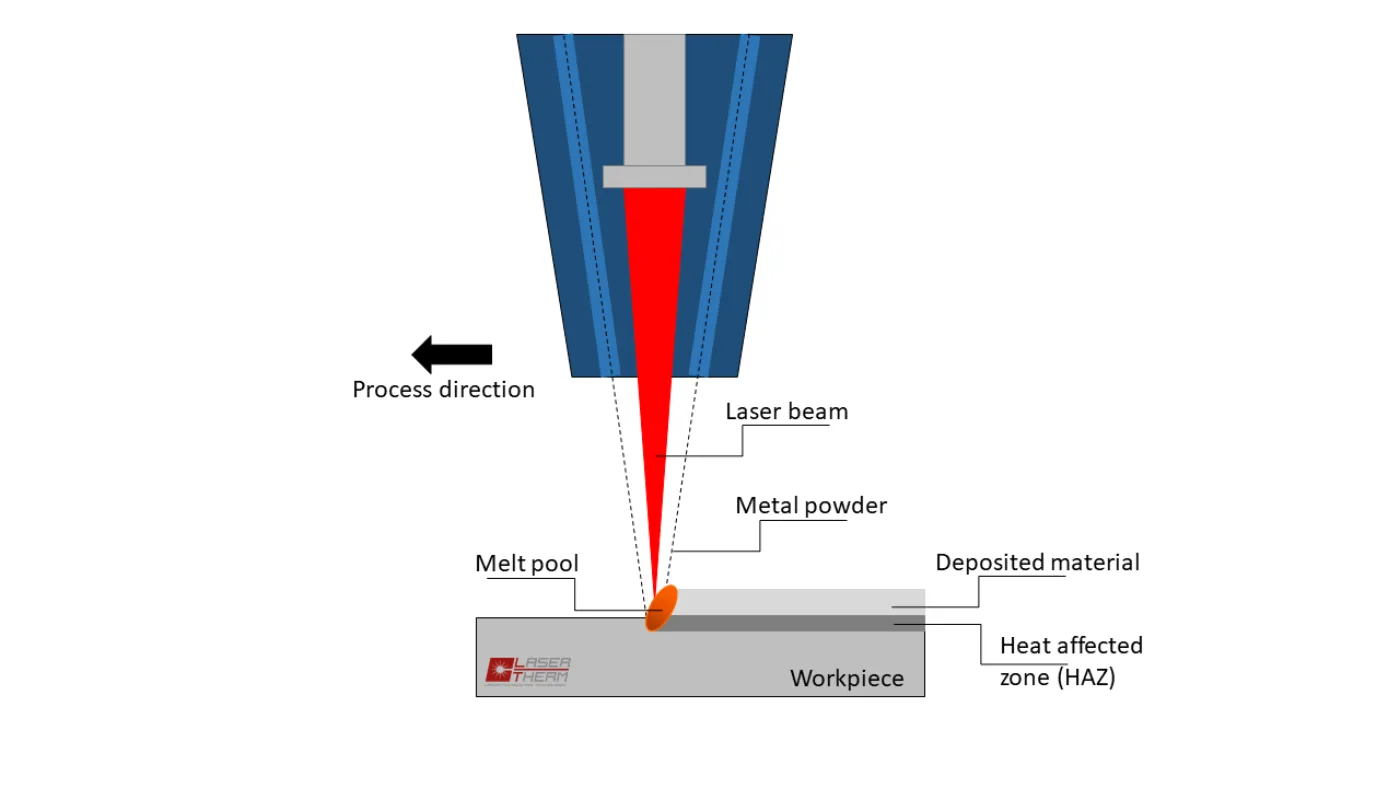
Nadcap additive-manufacturing accreditation is not a one-time certificate for a machine or coupon. It is auditable evidence that a special process operates consistently under controlled conditions. This guide gives PBF and DED suppliers a readiness sequence. It does not replace PRI's current checklists, customer requirements or an agreement with the accreditation body.
1. Define the exact scope
Start with site, technology, machine families, materials, applicable specifications and outsourced steps. AC7131 is the AM core checklist; PBF uses AC7131/1 and DED AC7131/2. Match scope to real customer work. Overly broad scope creates unnecessary evidence burden, while narrow scope limits commercial use.
2. Build a requirement-to-evidence matrix
Assign every audit point an owner, procedure, record, sample job and retention period. Separate Nadcap, customer, drawing, material and internal requirements. ISO/ASTM 52920 provides a quality framework for industrial serial AM sites; AWS D20.1 and contractual aerospace specifications may also apply to DED welding contexts.
3. Freeze the digital manufacturing package
Approved CAD, build, path, support, parameter and machine files need identities, revisions, permissions and checksums. Record software versions, exports, transfer and who may change parameters. A value edited at the machine is a controlled change just like a slicer upgrade.
4. Qualify equipment and measurement
Establish installation, operational and performance status for the energy source, optics, motion, wire or powder feed, gas flow, oxygen measurement, temperature, pressure, sensors and data capture. Define calibration intervals, traceability, maintenance and retrospective review when an instrument is found expired or defective.
5. Authorise procedures and people
Work instructions must cover preparation, start, interruption, restart, deviation, shutdown and release. Operators, programmers, maintainers, inspectors and approvers have different competence needs. Attendance records are insufficient: require practical tasks, acceptance criteria, periodic reassessment and expiry.
6. Control material
For powder, document receipt, sampling, sieving, blending, refresh ratio, storage, exposure and machine transfers. For wire, track lot, diameter, surface, storage and feed condition. Every build must link to certificates, actual lots and the disposition of unused or recycled material.
7. Demonstrate the process window
An accepted window is more than one good coupon. Cover build position, energy and material flow, path, layer or bead, gas, temperature, multi-laser overlap, and DED interpass conditions and geometry. Correlate inputs with density, defect population, microstructure and mechanical properties.
8. Connect the build to post-processing
Removal, heat treatment, HIP, machining, cleaning, depowdering, finishing and inspection cannot be record blind spots. Outsourced special processes must connect an approved supplier, purchase requirements and returned certificates. Final release follows only after the complete route record is present.
9. Rehearse traceability
Select a finished part and trace it under time pressure to order, drawing, digital file, material lot, machine state, operator, process data, coupons, post-processing, inspection and deviations. Then trace forward from a material lot or expired instrument to every affected job. A missing relationship matters more than a messy folder.
10. Control nonconformance and change
Define stop conditions, deviation authority, customer approval triggers and root-cause practice. Software, firmware, machine, supplier, material, parameter, site or post-process changes require risk assessment, regression and, when necessary, requalification.
11. Run a mock job audit
Do not limit internal audits to reading procedures. Follow a shift, ask an operator to perform a live task, compare the machine version with the record, sample evidence and trace a real job. PRI identifies powder handling, operator training, maintenance, calibration and control of key variables among common problem areas.
12. Prepare for audit day and closure
Maintain one evidence index, available owners, functioning systems and a sample job that genuinely covers scope. Never recreate records after the fact; record and correct the gap. A nonconformance response needs correction, root cause, extent review and durable preventive action.
What accreditation does and does not prove
Nadcap demonstrates audited control of a defined process and site. It does not replace type approval, customer source approval, first-article inspection or material- and design-specific qualification. Certificate scope, validity and limitations must be stated precisely in every proposal.
Sources and editorial position
This guide uses PRI's official Nadcap AM programme material, ISO/ASTM 52920, AWS D20.1 and GKN Aerospace's first L-DED-w accreditation case. The LAYERTIMES conclusion is that readiness is not document volume; it is an unbroken relationship between requirement, actual process and retrievable evidence.