Resetting print thermal history links PLA parts to filament groups
Curtin separated 26 of 28 Australian PLA filaments using DSC and chemometrics; the result is group evidence, not unique attribution.
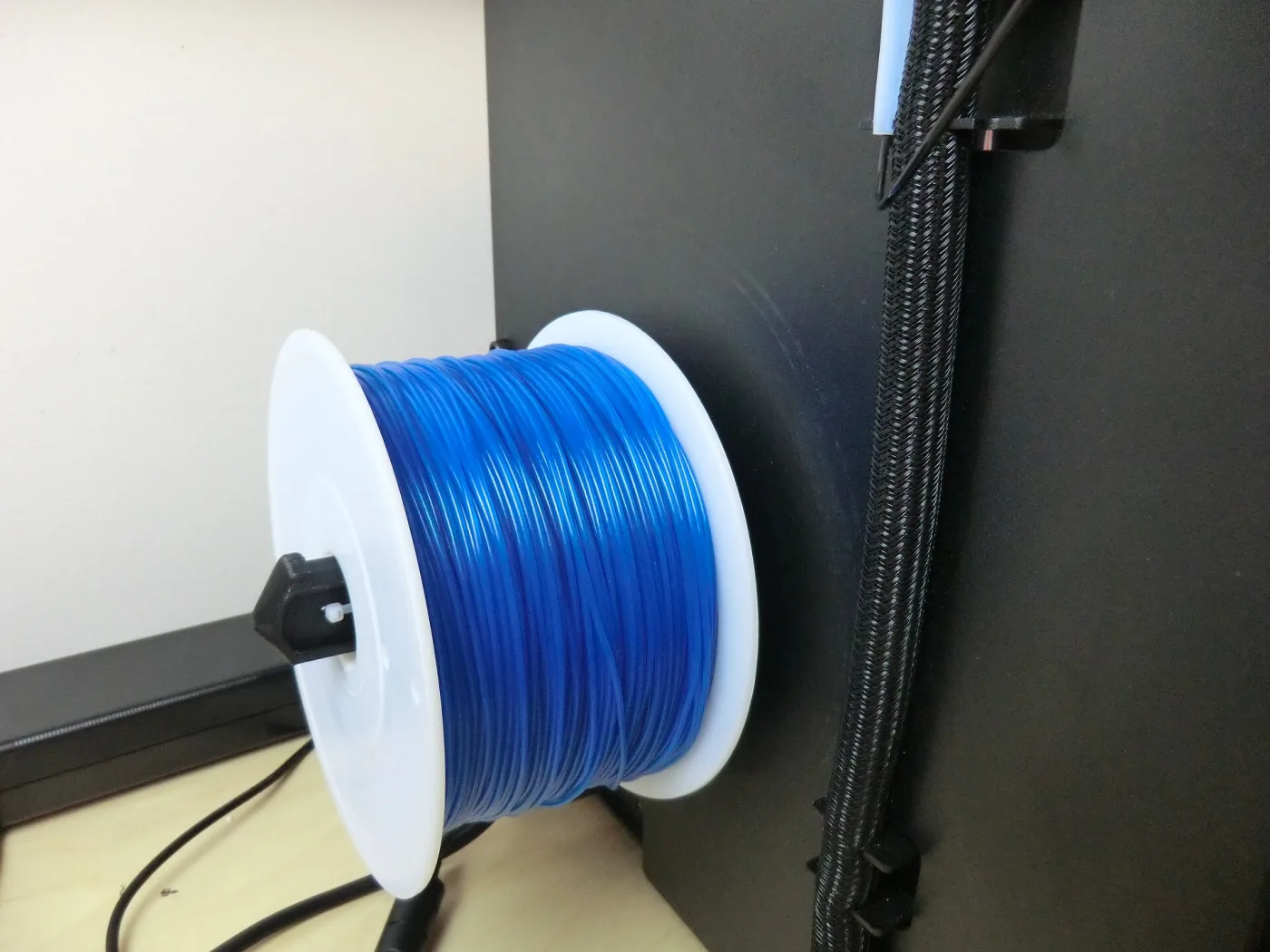
Researchers at Curtin University and ChemCentre used differential scanning calorimetry followed by chemometric analysis to test whether a printed PLA object could be associated with its feedstock. The Forensic Science International study examined 28 filaments sold in Australia and distinguished 26, including same-colour products from different brands.
What DSC measures
DSC tracks heat flow through controlled heating and cooling. PLA glass transition, cold crystallisation, melting and crystallinity can form a pattern shaped by resin, additives, pigment and processing. The researchers did not rely on one peak temperature; they combined several features and principal-component analysis to separate groups.
Printing initially broke the match
A printed specimen had a different thermal history from filament left on the spool. Nozzle heating and cooling altered crystallinity, making direct comparison misleading. The team applied a controlled heating-and-cooling cycle to place specimens in a comparable state. Printed samples could then be associated correctly with their filament groups.
Strength and limitation
The study goes beyond theoretical clustering by testing printed-to-raw association and publishing an open data package. Twenty-eight spools remain a small sample limited by market, geography and time. Separating 26 of 28 does not uniquely identify a manufacturer, shop, spool or person, and out-of-sample error needs a larger blinded study.
Why the same route does not fit every polymer
The authors report less useful discrimination for more amorphous ABS and PETG because they lack the same exploitable crystallisation behaviour. That does not make them forensically invisible. ATR-FTIR, Raman, pyrolysis GC/MS, elemental or microscopic analysis can complement thermal evidence. Method choice must follow the polymer and the question.
A practical evidence chain
In casework, sampling, packaging, contamination, environmental ageing, print settings, recycled content and mixed spools may all affect the result. Handling of both questioned and reference material must be recorded; calibration and analysis code need version control; and conclusions should be framed as group compatibility, not absolute source proof.
Editorial conclusion
The study's value is not universal spool attribution. It identifies a hidden confounder — print thermal history — and reduces it through controlled treatment. The open package of 865 CSV files and two R scripts supports computational audit, but inter-laboratory, blind and environmental validation is still required before routine forensic use.
Sources
Primary sources are the Forensic Science International paper (DOI: 10.1016/j.forsciint.2026.113161), Curtin University's institutional report and the dataset published under DOI 10.25917/RKZX-PK42.