EOS and BIZU Space prepare metal AM for Brazilian rocket propulsion
BIZU receives DfAM training and engineering support for chambers and turbopumps; no qualified printed part has been announced.
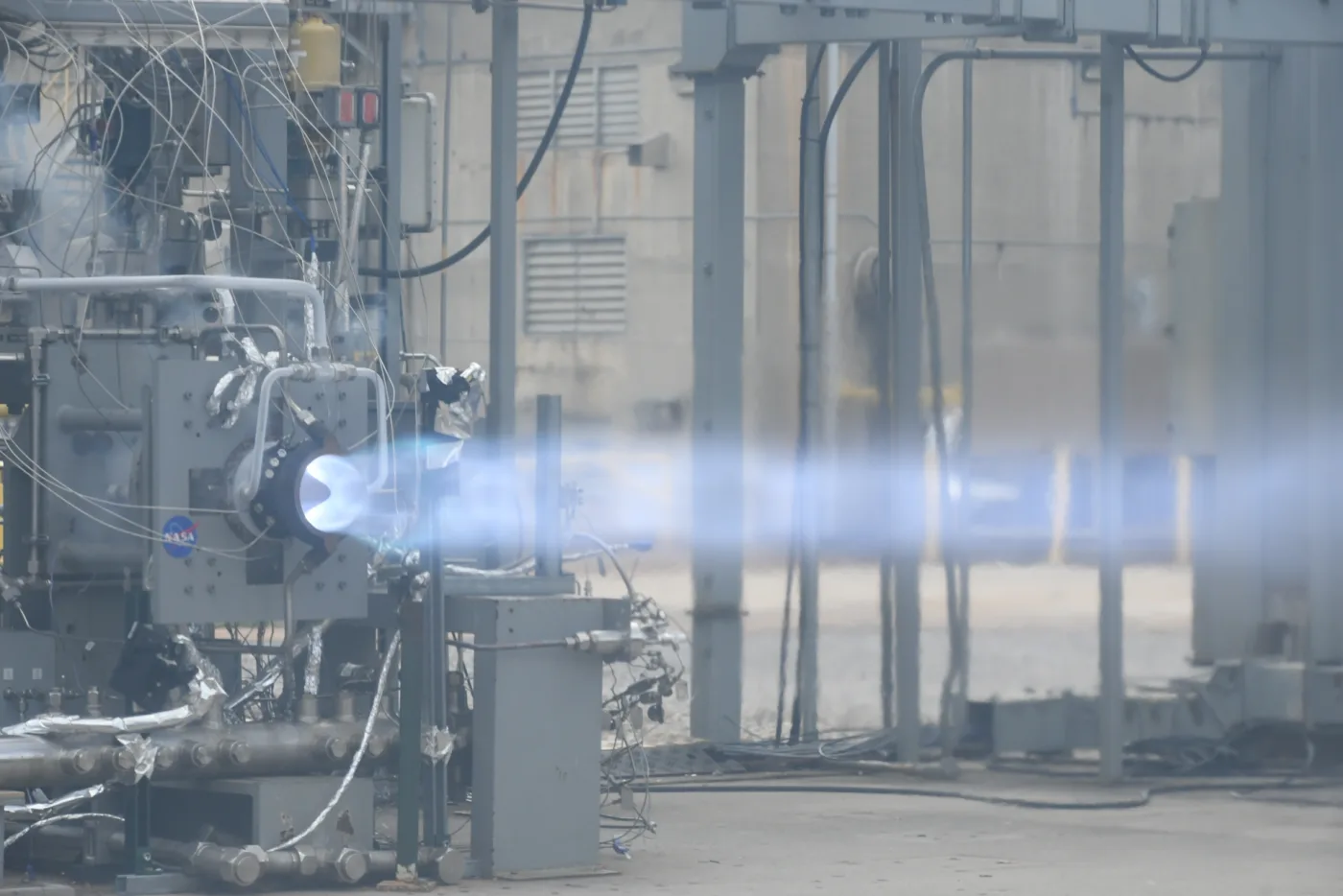
The EOS–BIZU Space collaboration is additive-manufacturing capability building, not a finished rocket-engine announcement. BIZU engineers will receive Additive Minds Academy DfAM training and EOS application-engineering support while examining metal powder-bed fusion for chambers and closed-cycle turbopumps. The release names no purchased machine, alloy, flight part or qualification.
Verified programme scope
EOS's primary source records education, design and engineering cooperation. BIZU is linked to Brazil's MLBR small-satellite launcher, operates its T8 test site and says it has completed more than 150 motor and engine tests. Those are company capability claims, not independent qualification of an AM part.
Why an additive chamber is attractive
LPBF can create complex regenerative cooling passages and consolidate assemblies. Fewer parts may reduce welds and seals, while introducing risks in internal surface, blocked passages, pores, cracks, residual stress and powder removal.
Evidence must lock alloy, powder reuse, machine and laser state, orientation, heat treatment, HIP, machining and coating. Internal passages need CT or a validated alternative; walls need metallography; leakage and pressure retention require separate tests.
Why a closed-cycle turbopump is harder
A turbopump combines high speed, tight fits, balancing, cavitation margin and thermo-mechanical fatigue. A printed housing, impeller or vane has different requirements. Geometric freedom does not remove finishing, dynamic balancing, bearing and seal integration.
Closed-cycle architecture implies a particularly demanding propulsion system. BIZU supplies no data from which to infer the AM part's role, pressure, speed or material, and the partnership should not be used to invent those details.
From training to flight hardware
DfAM concepts and manufacturability come first, followed by material and parameter qualification, witnesses, multi-build repeatability, dimensional inspection and NDT. Components then need cold-flow, pressure, thermal-cycle and hot-fire tests before subsystem and full-engine work.
Each level needs predefined limits. Thrust, chamber pressure, mixture ratio, temperature, vibration, leakage, duration and post-cycle condition together show whether geometry became operating value.
Brazilian industrial significance
The partnership can build local design and manufacturing knowledge. External dependence may fall if BIZU controls critical digital packages, process parameters and inspection. That is demonstrated only when training produces identified, traceable and tested hardware.
Material and process qualification
A chamber alloy is qualified by a specific machine-powder-parameter-post-process combination, not a catalogue value. At least three builds separated in time and preferably powder lot should show spatial variation in density, chemistry, microstructure, tensile and fatigue properties. Edge, centre, bottom and top are separate sample locations because gas flow, heat accumulation and laser overlap can vary.
Regenerative channels mean specimens cannot be only solid tensile bars. Representative passages must demonstrate powder removal, roughness, minimum wall, flow resistance and CT detection limits. Internal finishing and cleaning are part of the qualified route just as much as printing.
Test pyramid and failure mechanisms
Evidence should move from coupon through subgeometry and component to full engine. Cold flow measures pressure loss and distribution; proof testing addresses leakage and retention; hot fire addresses heat transfer, combustion stability and thermo-mechanical response. Each stage needs predefined progression criteria.
Critical mechanisms include partly blocked channels, wall variation, lack of fusion, inclusions, thermal-fatigue cracks, coating separation and machining notches. The inspection plan must show that the selected NDT method detects the relevant flaw size at the relevant location; a generic CT image is insufficient.
Data and configuration control
For flight hardware, CAD, build file, slicer and machine software, parameter set, powder and gas lots, calibration, heat treatment and inspection results belong to one configuration record. Firmware, supplier or cooling-passage changes require requalification decisions. Training creates durable capability only when it transfers this disciplined evidence package, not merely the ability to print geometry.
Verified fact, company claim and conclusion
The agreement, training and named applications are verified. Test counts and programme maturity are BIZU claims. Our conclusion is that this is a meaningful preparatory step for Brazilian metal-AM propulsion, while the next newsworthy milestone is a named material-machine-part route with public test results.
Sources
Primary sources are EOS's 29 October 2026 release and BIZU's official programme site. TCT supplies trade context. NASA-STD-6030 is a useful reference for flight-AM evidence but does not qualify this programme.