Remote Area Medical receives NextDent 300 for a mobile denture lab
The multi-material system is operating in Knoxville and is intended for free mobile clinics; field outcomes are not yet public.
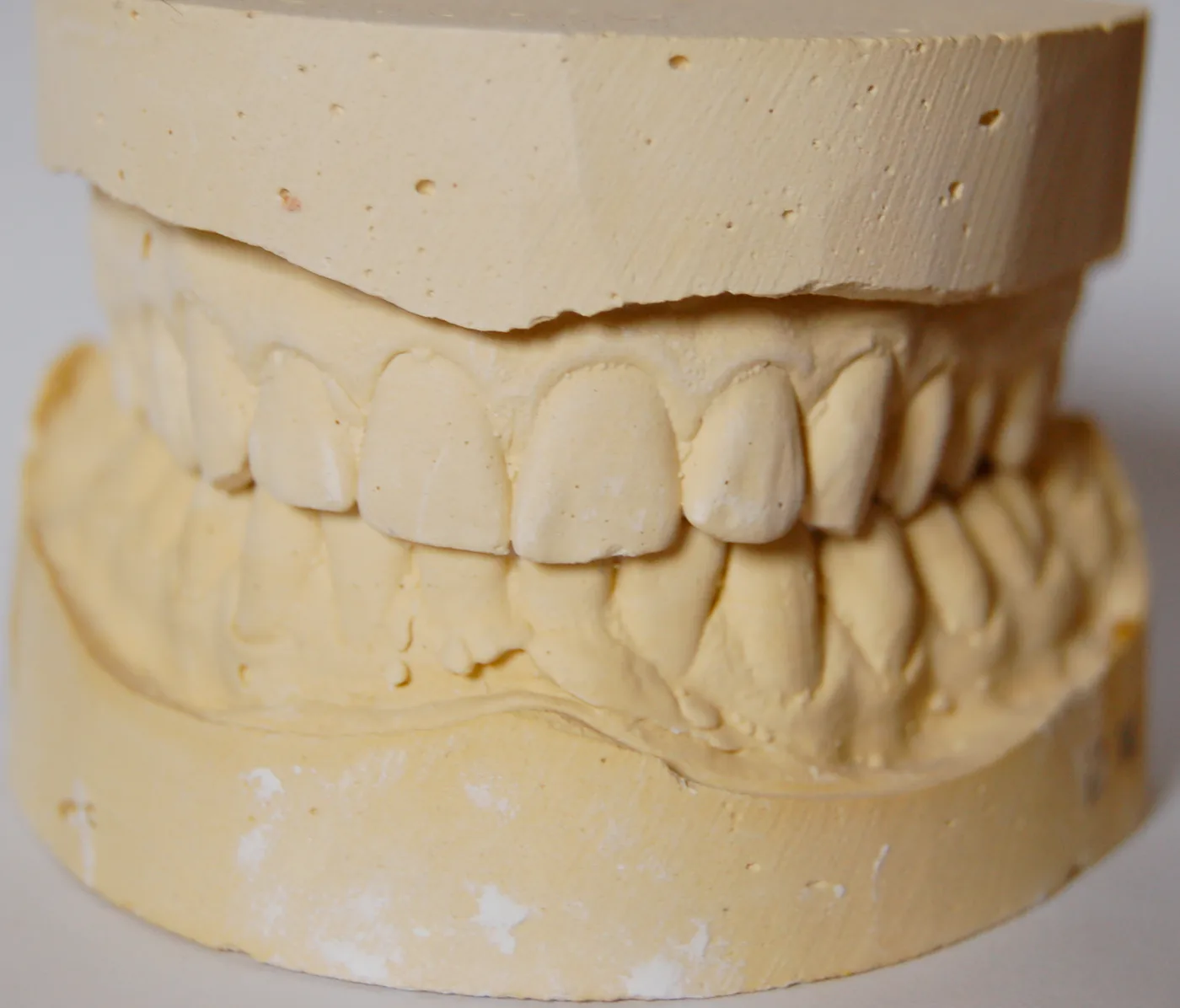
3D Systems has donated a NextDent 300 multi-material dental printer to Remote Area Medical (RAM). The Knoxville installation is operational, and the next objective is a mobile dental lab that can produce dentures faster at free clinics for patients with limited access to care.
What multi-material printing changes
The NextDent 300 prints teeth and gingiva in different materials and colours within one build, reducing some later assembly. The vendor specifies 15 arches in an approximately nine-hour full build and a 24-hour digital workflow. These are product specifications, not measured outcomes from RAM field clinics.
Why a mobile lab matters
Conventional multi-visit denture workflows are especially difficult at temporary or remote clinics. Linking scanning, design, printing, washing, curing, fitting and delivery on site may reduce return travel. Speed only matters if fit, occlusion, material release and follow-up remain adequate.
Social scale and uncertainty
The release says RAM treated 32,770 patients, delivered $16.6 million in free care and mobilised 17,000 volunteers in 2025, with more than one million people served since 1985. These are organisational figures supplied by RAM and 3D Systems. Patient throughput, remake rate, cost and clinical outcomes for the printed workflow are not yet public.
Editorial conclusion
The donation is not itself a technical breakthrough, but it is a useful test of whether digital denture production remains robust outside a fixed laboratory. Success should be measured by total patient time, first-fit acceptance, remake rate and documented follow-up.
Sources and transparency
The installation and RAM figures come from 3D Systems' primary release dated 29 October 2026. Capacity and regulatory details come from the official NextDent 300 page; no independent field outcome dataset is available yet.