Axtra3D splits Volume 1.3 into Professional and Industrial workflows
Professional adds support and repair tools, while Industrial introduces automated nesting, logging and fleet management.
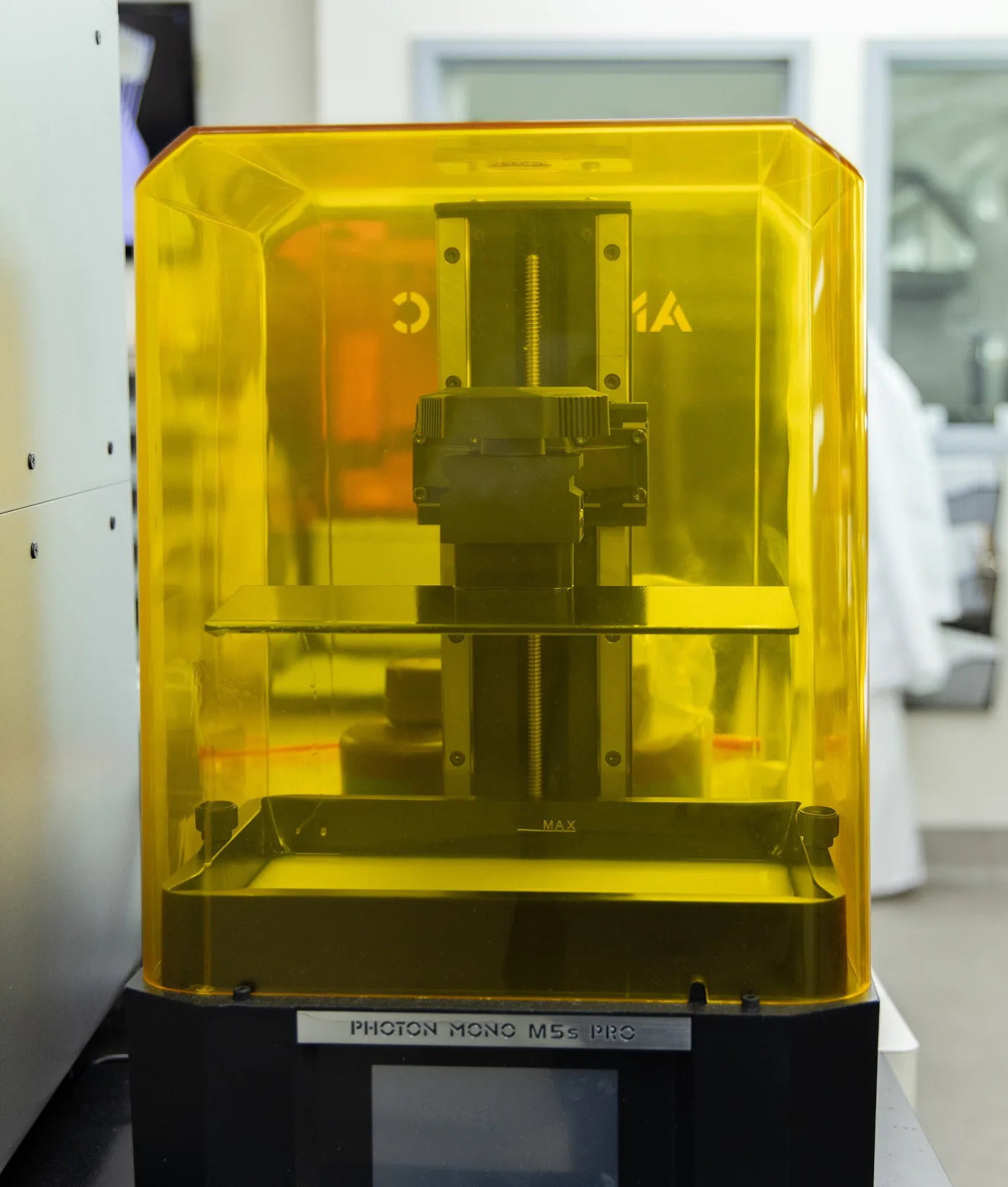
Axtra3D has released Volume Professional 1.3 and Volume Industrial 1.3 for the Lumia X1 HPS platform. Professional is supplied with each Lumia X1 and combines redesigned support generation with part placement, collision detection, mesh repair and slicing. Industrial adds automated nesting, batch processing, custom workflows, logging and multi-printer production management.
Two editions for two operating levels
Professional centres on preparation around one machine. Its redesigned support algorithm and repair tools are intended to reduce manual iteration before a printable job is ready. That is a supplier productivity claim: the announcement provides no comparative support-removal time, scrap rate or dimensional benchmark.
Industrial targets a larger production environment. It highlights secure local data storage, allocation across machines and traceable logging. Compliance still requires user rights, backup, protected audit records, version identification and restore tests. The licence is available to order, but public pricing and detailed system requirements were not disclosed.
What Axtra Workflow adds
Axtra3D describes the releases as the first stage of Axtra Workflow, intended to connect job preparation, machine execution and production oversight. The official Volume page lists an integrated HPS slicer, saved print profiles, automatic orientation, material exposure libraries, layer simulation, time estimation, Axtra.Insight connectivity and SKIP Support, which uses DLP for supports and HPS for geometry.
Public naming is not fully aligned. The trade announcement identifies Professional and Industrial 1.3, while the Axtra3D page labels several improvements as v25. Availability should therefore be checked against the exact licence, printer and build number rather than inferred from a marketing name.
Axtra Academy and actual production evidence
The redesigned Axtra Academy portal displays connected-machine status, tracked performance, printed layers and detected errors, while providing documentation, calibration resources and field-engineer access. Remote visibility can support maintenance but does not inspect the final part. A software-valid job can still fail through material condition, optics, temperature, washing or post-cure.
Deployment checks
Representative models should be compared with the previous release for orientation, support contact, layer count, estimated time, machine file, printed result and finishing effort. Industrial users also need tests for profile permissions, complete logs, network loss, recovery and equivalent output from the same approved job on multiple Lumia X1 systems.
Verified fact, supplier claim and conclusion
Edition names, principal functions and Industrial availability are supported by the accepted trade source; workflow details come from Axtra3D's official page. Fewer errors and greater consistency remain supplier goals. Our conclusion is that the significant change is the separation of single-job preparation from fleet oversight; versioned machine files and measured part results must prove its value.
Sources
The lead news source is VoxelMatters' 11 November 2026 report, supplemented by Axtra3D's official Volume product page.