Tripo turns the 3D workflow into a node-based AI agent
Agentic Canvas links generation, retopology, UV, textures, rigging and export, while printability still requires measurement.
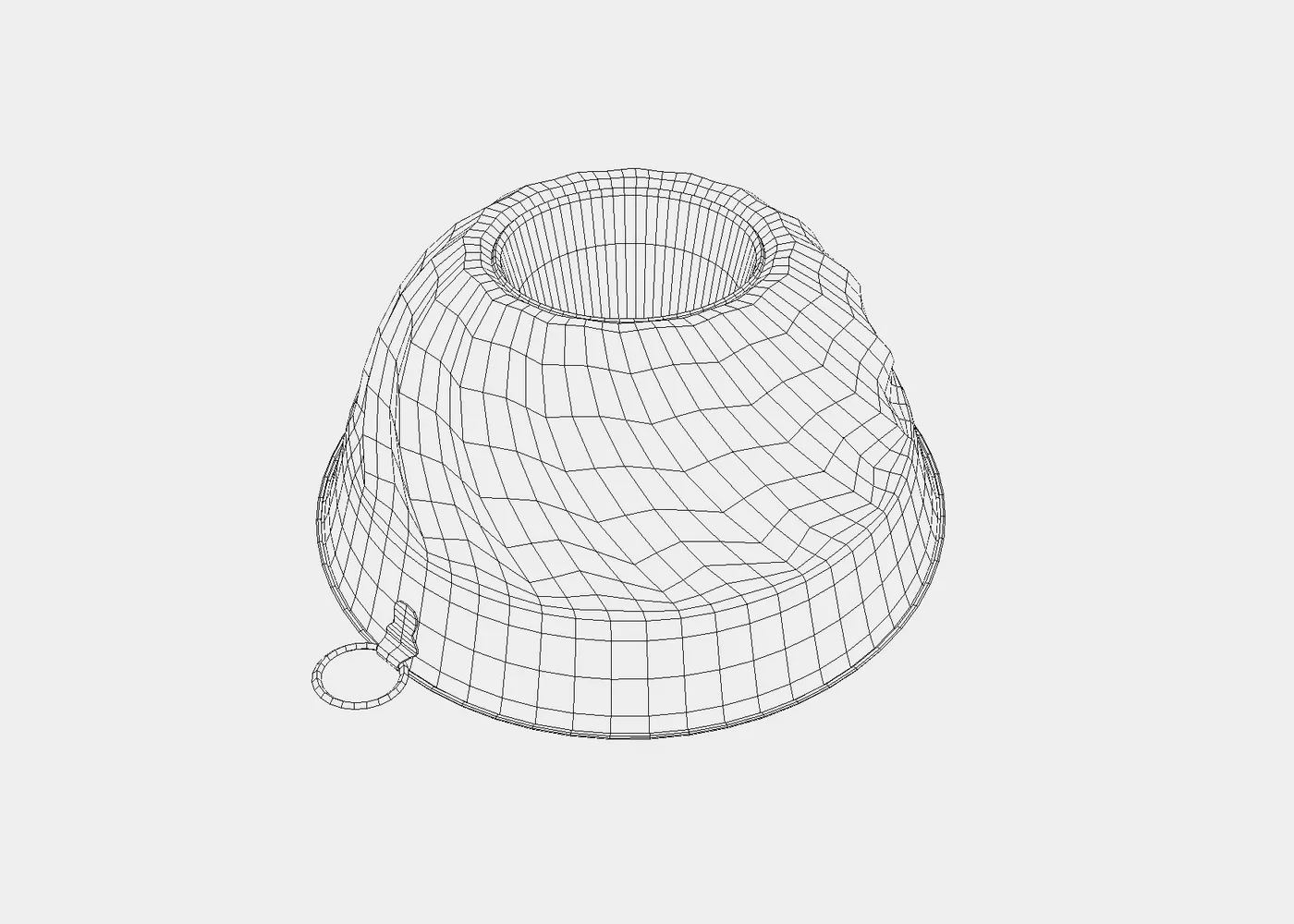
An AI workflow decomposed into nodes
Tripo detailed Agentic Canvas on 2 November, presenting a visual node-based workspace in which an AI agent plans and executes steps for creating and processing a 3D model. It is not one text-to-3D button: separate nodes cover generation, segmentation, retopology, Smart UV, PBR texturing, rigging and export.
Two operating patterns are documented. Control mode uses checkpoints so the user can approve or revise intermediate results. Auto mode proceeds more independently after a plan is confirmed. Access is rolling and account dependent, so the feature's presence in documentation does not mean every subscriber receives it on the same day.
A reusable graph rather than a disappearing prompt chain
A practical advantage is that the process becomes a visible, reusable graph. A proven image-to-model-to-retopology-to-UV-to-texture chain can run on several inputs and support batch work. That is a better basis for version control than prompts buried in a chat, but it is not automatically a manufacturing audit trail: model version, parameters, inputs and export settings still need recording.
The official guide also shows a sketch-to-print workflow described in CAD terms. 'CAD' needs careful interpretation here. A generated mesh may look right and slice successfully without becoming a dimensioned parametric B-Rep, acquiring tolerances or proving hidden surfaces and functional fits.
Where it may help 3D printing
For concept models, characters, props and visual prototypes, the node chain can accelerate variants. Segmentation may create printable pieces, retopology a more manageable mesh, and UV/PBR steps presentation textures. Before printing, users still need watertightness, wall-thickness, self-intersection, scale, support and assembly-clearance checks.
Engineering use needs a reference task with known dimensions, critical planes, holes and fits. The output should be compared in CAD or metrology software with a deviation map and then with a physical coupon. An agent or submodel update may change results even when the visible graph is unchanged, so a regression set is required.
Evidence boundary
The verified fact is that Tripo's documentation and corporate release describe a launched function with visual nodes, agent planning and multiple processing stages. Faster end-to-end work and broad automation are vendor claims. Independent reproducible data is not yet available for geometric accuracy, topology failure rate, batch consistency or long-term version stability.
Editorial conclusion
The meaningful direction is the visible, editable process graph. It brings AI 3D generation closer to a manageable workshop workflow but does not automatically bridge the gap between an image and a dimension-driven manufacturing model. It can accelerate creative work; engineering work still requires measurable reference, version and release gates.