Beehive's 445 N Frenzy 6 completes its first ground test
First fire came four months after requirements were fixed, with a flight demonstration planned for 2027.
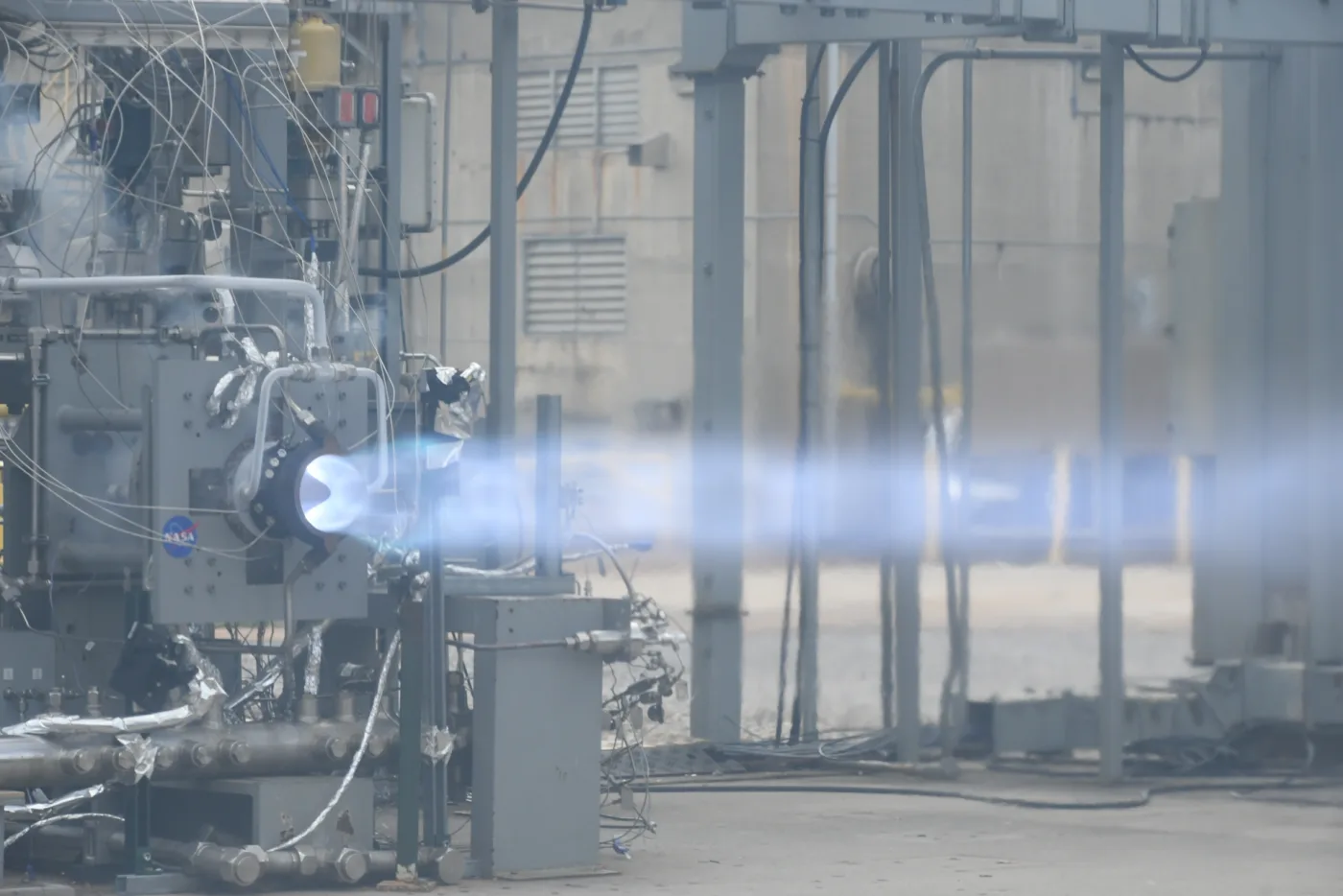
Beehive Industries says it completed the first ground test of its Frenzy 6 small turbine engine on 23 September. The roughly 445 N, or 100 lbf, prototype targets uncrewed systems and guided munitions; first fire came four months after initial requirements were finalised.
What did the initial test establish?
The company says start, basic performance and operability objectives were met. No public thrust trace, specific fuel consumption, speed, exhaust temperature, vibration, durability or cycle count is available. A successful first run is an integration gate, not type qualification or production readiness.
Position in the Frenzy family
Frenzy 6 is the smaller counterpart to the roughly 890 N Frenzy 8. Development also sits behind a $29.7 million US Air Force contract announced by Beehive in April. The company targets annual capacity above 8,000 engines, although production yield and delivery cadence are not public.
Where additive manufacturing can help
In a small turbine, consolidation of the combustor, nozzle, cooling channels and selected housings can reduce part count and assembly. Safe use still requires material and process qualification, CT or other NDT, balancing, hot-fire and fatigue tests, and traceability of every critical manufacturing deviation.
Next gates
The programme plans more ground runs, vehicle integration and a 2027 flight demonstration. Before flight it must establish the operating envelope, restart behaviour, thermal cycles, vibration, controls, fuel system and manufacturing repeatability.
Editorial conclusion
The four-month pace is notable, but the concrete milestone is the first integrated engine test. Maturity will be determined by documented durability, performance in the flight environment and manufacturing yield rather than first flame alone.
Sources and transparency
Test details come from VoxelMatters' 30 October 2026 professional report of Beehive's announcement. Earlier contract coverage confirms the $29.7 million programme context; no independent test report is public.