Freemelt wins SEK 28 million ESS order for 7,000 tungsten parts
The 14-month target-wheel order is worth SEK 28 million, with most deliveries planned for 2027.
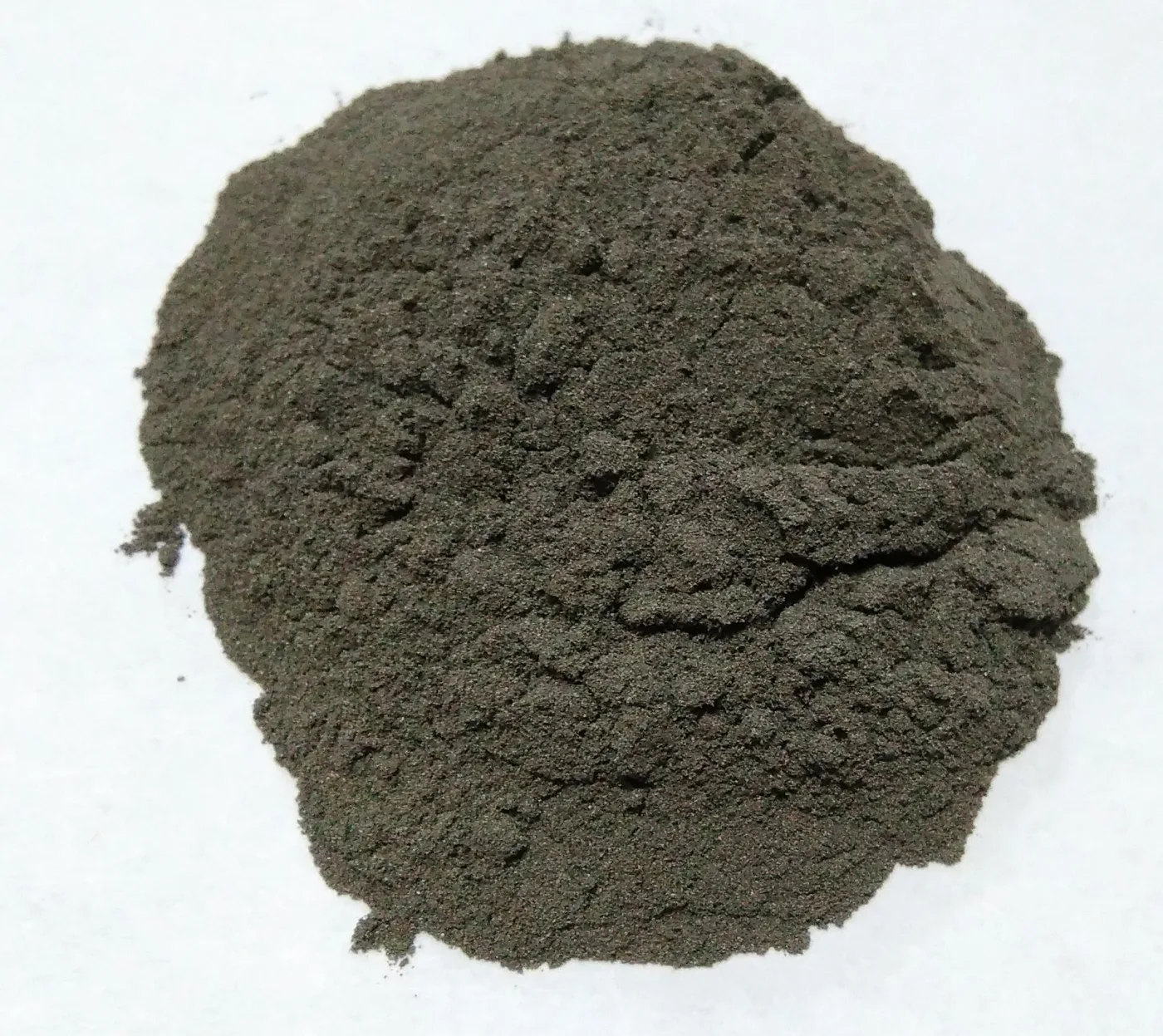
Freemelt has received a SEK 28 million order from the European Spallation Source, or ESS, to manufacture and deliver 7,000 tungsten-based components. Announced under market-disclosure rules on 22 October 2026, the contract runs for 14 months, with most deliveries planned for 2027.
The customer, value, quantity and schedule are verified. Freemelt says the contract validates its expanded manufacturing strategy and could support recurring revenue. That remains a company interpretation: no annual replacement cadence, follow-on option, margin or acceptance result has been disclosed.
What the tungsten parts are for
ESS says its proton beam will strike a 2.6-metre, nearly five-tonne target wheel rotating at 23.3 rpm. Spallation in the wheel's tungsten releases high-energy neutrons, which moderators slow to energies useful for scientific instruments. Helium cooling removes heat deposited by the beam.
Earlier ESS material describes roughly 7,000 tungsten blocks in the wheel. The new order is therefore similar in scale to one full set, but Freemelt does not say every item is a one-for-one replacement for the original blocks and publishes no geometry. The parts should not be identified more precisely than the evidence allows.
Manufacturing service, not another machine sale
Freemelt's Manufacturing business area will fulfil the order with partners spanning material supply to qualified finished parts. This differs from selling research or production equipment: the company is responsible for a defined quantity and the supporting process chain.
The release cites electron-beam powder-bed fusion, or E-PBF, and tungsten-processing expertise. It does not publish a manufacturing plan, parameter set, powder specification, heat treatment or inspection sample plan. E-PBF relevance is verified, but it would be too strong to claim every contract item follows one publicly known E-PBF route.
Why tungsten series production is difficult
Tungsten's high melting point and thermal conductivity demand high energy density, while brittleness and thermal stress create cracking risk. Vacuum and bed preheating can help in E-PBF, but powder oxygen, size distribution, reuse condition, beam focus and thermal history still need lot-level control.
Geometry alone is insufficient for a target system exposed to beam loading and thermal cycles. Release may need chemistry, density, defect population, surface, traceability and customer-defined functional tests. The public order announcement contains none of those results, so the contract is evidence of industrial confidence, not completed qualification.
What the 14-month window means
The programme is larger than a laboratory prototype. Seven thousand parts, supply partners and a delivery peak in 2027 require production planning, lot control, inspection capacity and scheduled customer acceptance. Dividing SEK 28 million by 7,000 gives SEK 4,000, but that is not a disclosed unit price: material, qualification, inspection, documentation and logistics may all sit inside the contract value.
Components with finite service lives can create recurring demand in principle. The first-lot yield, acceptance rate, ESS maintenance plan and a later reorder will determine whether that opportunity becomes durable revenue.
Editorial conclusion
This is stronger industrial evidence than Freemelt's earlier feasibility and prototype orders because it names the customer and fixes value, quantity and timing. It is still not a finished result. The next verifiable milestones are an accepted first delivery, completion of the 14-month schedule and any follow-on order.
Sources
- Freemelt: ESS order for 7,000 tungsten-based components — primary regulated company release, 22 October 2026.
- European Spallation Source: How the Target works and Target — primary institutional technical background.
- VoxelMatters and Finwire: independent trade and financial confirmation, 22–25 October 2026.