Prague firefighters print adapters and rescue equipment on site
The central station makes adapters, mounts and USAR accessories; offline operation and risk-based approval are central controls.
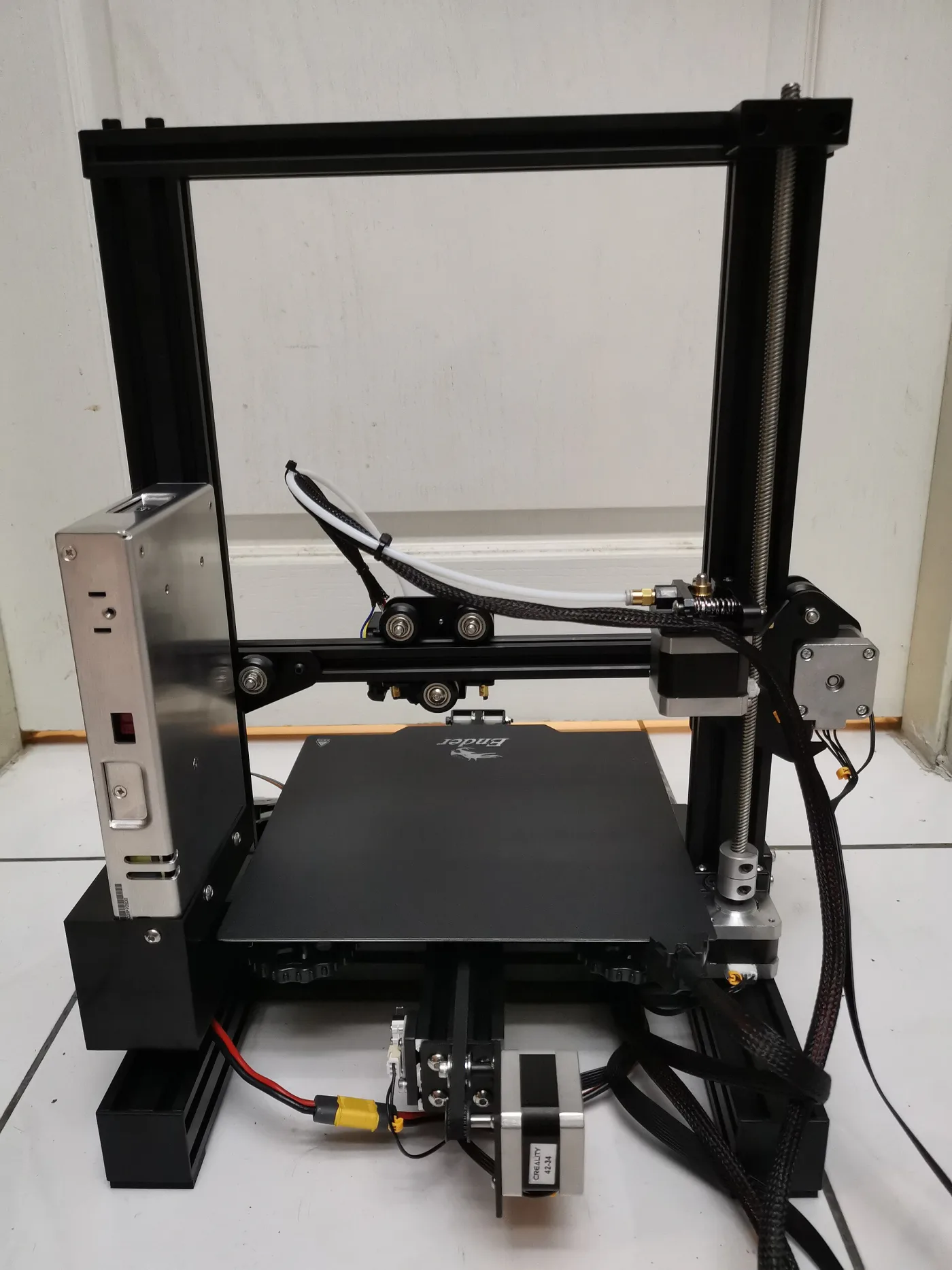
At Prague's central professional fire station, 3D printing has become a day-to-day maintenance and equipment-development tool. A Prusa Research case study dated 30 October 2026 says firefighters design and produce hose adapters, tool mounts, replacement interior trim, camera brackets and sensor holders on site. It is a vendor case study showing real users and applications, not an independent audit or complete cost record.
Why local production matters
A replacement for an old or low-volume vehicle can take time to source, while a standard mount may not fit a particular appliance, ladder or rescue tool. Local design shortens the iteration loop: measure the problem, make a prototype, test it and revise it. That is useful for non-load-bearing trim, organisers and custom holders. Life-safety, pressure-retaining or structural parts require separate engineering approval and documented testing.
Three shifts and named responsibility
About 67 firefighters work at the central station across three 24-hour shifts. The report says each shift has one trained operator responsible for the printer and material use. That governance detail is more important than the machine alone: without a named owner, file version, material, settings, maintenance and the cause of a failed build can quickly become untraceable.
Offline operation in critical infrastructure
The Czech fire service operates under strict cyber-security requirements as critical infrastructure. Prusa says the deployed machines can work without an external cloud, using USB or an isolated local network. That may reduce dependence on an outside service, but offline capability is not a complete security qualification. Firmware, file ingress, local permissions, updates and logging still need controls.
From the workshop to the USAR team
The technical department produces hard-to-source trim, adapters and mounts, while the urban search-and-rescue team uses lightweight camera and sensor holders and transport accessories. These tasks carry different risks. A broken shelf organiser is inconvenient; a failed sensor mount during a rescue can become an operational hazard. Approval depth should follow intended use and failure consequence, not the fact that a part was printed.
Shared models, local accountability
The case study says Czech stations exchange models and experience through an open model platform and regional workshops. Reuse can accelerate adoption, but a downloaded file is not a finished part specification. Teams need to record the version, material, machine, orientation, load, inspection and the exact vehicle or equipment variant for which it was accepted.
Measuring the saving
The vendor case study refers to time and cost savings but provides no itemised purchase price, labour time, scrap rate or service-life data. A defensible operational comparison should measure external lead time and total purchase cost against design labour, material, machine time, post-processing, inspection and replacement interval. A fast prototype is not automatically a cheaper final part.
Editorial conclusion
The programme's strongest lesson is decentralised problem solving: users design, manufacture and learn at the point of need. Public evidence currently remains limited to a vendor case study. A failure log, part lifetime, approval system and purchasing comparison will ultimately determine its operational value.
Sources
The primary source is Prusa Research's 30 October 2026 case study produced with Prague's professional fire service. We found no independent itemised performance or cost audit accompanying it, so application examples are treated as a verified field report while savings and security qualification remain open questions.