Axtra3D–Arkema flame-retardant resin process receives UL Blue Card
N3D-FR512 on Lumia X1 achieved UL 94 V-0 at 0.8 mm; this is material-machine-process registration, not finished-product certification.
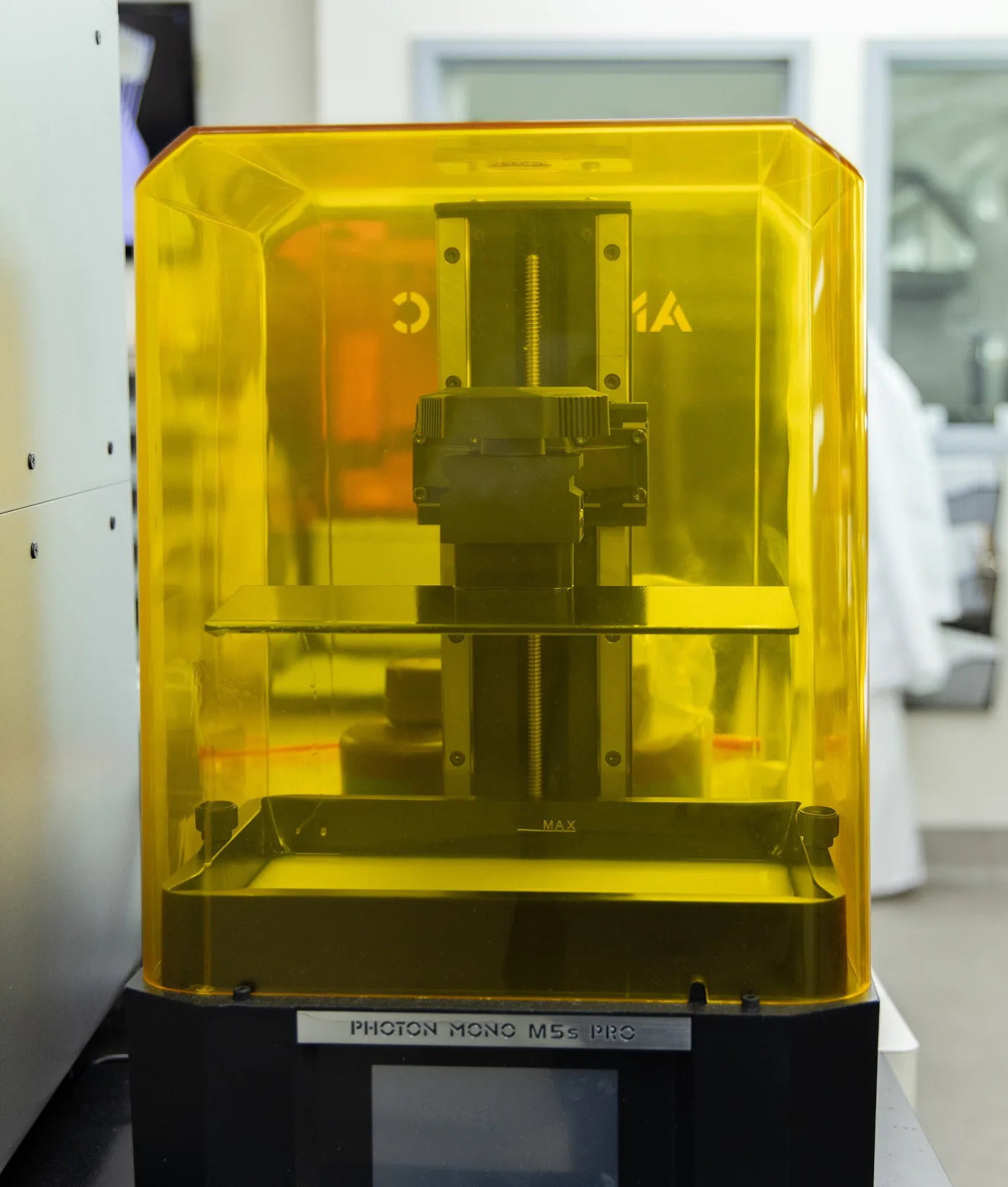
Axtra3D and Arkema said on 9 November that N3D-FR512 flame-retardant photopolymer had received an UL Blue Card registration for processing on the Axtra3D Lumia X1. The material page lists UL 94 V-0 at 0.8 millimetres. This can be an important material-machine-process milestone for electronics, aerospace and transport, but it is not UL certification of a finished product.
What does a Blue Card mean?
UL's official guidance says an additive-manufacturing Blue Card links a specific material grade, printer platform and processing parameters. Registration makes qualification data identifiable in UL Prospector. A different printer, exposure, layer thickness, wash or post-cure is not automatically in scope. Multiple printers may share coverage only when parameters and resulting properties satisfy programme requirements.
The V-0 classification is a result from the standard vertical-burning test at the stated minimum thickness. It does not establish the electrical, smoke, toxicity, heat-ageing or mechanical compliance of an entire housing, connector or aerospace part. The end product must be assessed in its real geometry, load case and applicable product standards.
Published mechanical and thermal figures
Axtra3D's material guide gives tensile strength of 42 MPa, tensile modulus of 5,100 MPa, elongation of 4.2% and HDT of 170°C at 0.455 MPa. These are vendor data. Interpretation requires specimen orientation, layer thickness, exposure, washing, post-cure, conditioning, sample count and scatter. Low elongation suggests a stiff rather than notably tough material unless separate impact and fatigue evidence shows otherwise.
An implementation gate
Users should treat the complete process window on the Blue Card as a controlled configuration. Incoming resin lot, storage, mixing, machine calibration, vat condition, part position, wash solvent, UV dose and temperature are all variables. A release plan should include thickness- and geometry-sensitive coupons, dimensional inspection, mechanical controls and fire-test verification at a frequency proportionate to risk.
Editorial conclusion
The news is not a generic 'fireproof resin'. It is registered evidence for a named N3D-FR512–Lumia X1 combination. That may reduce repeated baseline testing in a tightly controlled process. The designer must purchase and maintain the Blue Card scope, not merely a bottle with the same material name. Application-specific finished-product testing remains necessary.
Sources and evidence boundary
Arkema's Formnext release and Axtra3D's material page are the primary sources for the event and target markets. UL's official FAQ provides independent programme context. Mechanical figures are vendor data; the public material does not provide an independent round-robin study.